
Chicken Gochujang Recipe – Spicy, Savory, and Weeknight-Friendly
This chicken gochujang recipe brings bold Korean-inspired flavor with minimal fuss. It’s saucy, slightly sweet, and has just the right kick—perfect over rice, noodles, or a pile of crisp lettuce. The marinade does most of the work, so you can prep ahead and cook fast.
If you love sticky, glossy chicken with real depth, this one delivers. It’s easy to scale up, and it tastes even better the next day.
What Makes This Recipe So Good
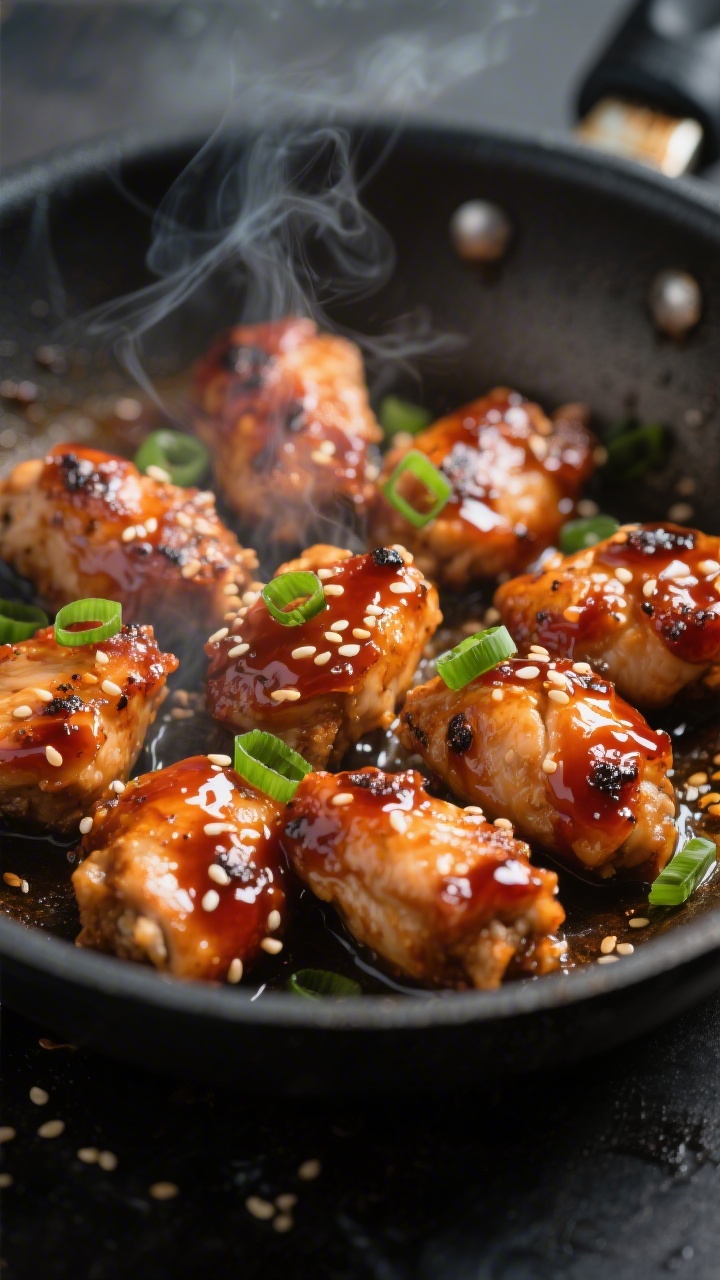
- Balanced heat: Gochujang brings chili warmth plus a mellow, fermented sweetness. It’s spicy but not overwhelming.
- Weeknight simple: Quick marinade, one pan, and a fast cook time.
No specialty techniques needed.
- Super versatile: Works with chicken thighs or breasts, and you can grill, pan-sear, or roast.
- Restaurant-level sauce: Sticky, glossy finish that clings to each piece—great with rice or veggies.
- Make-ahead friendly: The flavor deepens if you marinate a bit longer, and leftovers keep well.
Ingredients
- 1.5 pounds boneless, skinless chicken thighs (or breasts, cut into bite-size pieces)
- 2 tablespoons gochujang (Korean red chili paste)
- 1 tablespoon gochugaru (Korean red pepper flakes, optional for extra heat)
- 2 tablespoons soy sauce (use low-sodium if preferred)
- 1 tablespoon rice vinegar (or apple cider vinegar)
- 1.5 tablespoons honey (or brown sugar)
- 2 teaspoons sesame oil
- 3 cloves garlic, minced
- 1 teaspoon fresh ginger, grated (or 1/2 teaspoon ground ginger)
- 1 tablespoon neutral oil (canola, avocado, or grapeseed)
- 1/3 cup water (or low-sodium chicken broth)
- 1 teaspoon cornstarch (optional, for thicker sauce)
- 2 green onions, thinly sliced (for garnish)
- 1 teaspoon toasted sesame seeds (for garnish)
- Cooked rice or noodles (for serving; optional but recommended)
How to Make It
- Prep the chicken: Pat the chicken dry and cut into bite-size pieces. Dry chicken browns better and won’t steam in the pan.
- Make the marinade: In a bowl, whisk gochujang, gochugaru (if using), soy sauce, rice vinegar, honey, sesame oil, garlic, and ginger until smooth.
- Marinate: Add chicken to the bowl and toss to coat evenly. Let it sit for at least 20 minutes at room temp, or up to 8 hours in the fridge.
- Heat the pan: Set a large skillet over medium-high heat and add the neutral oil.
When it shimmers, it’s ready.
- Sear in batches: Add chicken in a single layer without crowding. Cook 3–4 minutes per side until browned and mostly cooked through. Transfer to a plate and repeat with remaining chicken.
- Make it saucy: Lower heat to medium.
Pour remaining marinade into the pan with 1/3 cup water. Simmer 1–2 minutes, scraping up browned bits.
- Thicken (optional): Mix cornstarch with 1 tablespoon cold water. Stir into the pan and simmer 30–60 seconds until glossy.
- Finish: Return chicken to the pan and toss in the sauce for 1–2 minutes until coated and cooked through.
Adjust seasoning with a splash of soy for salt or a drizzle of honey for sweetness.
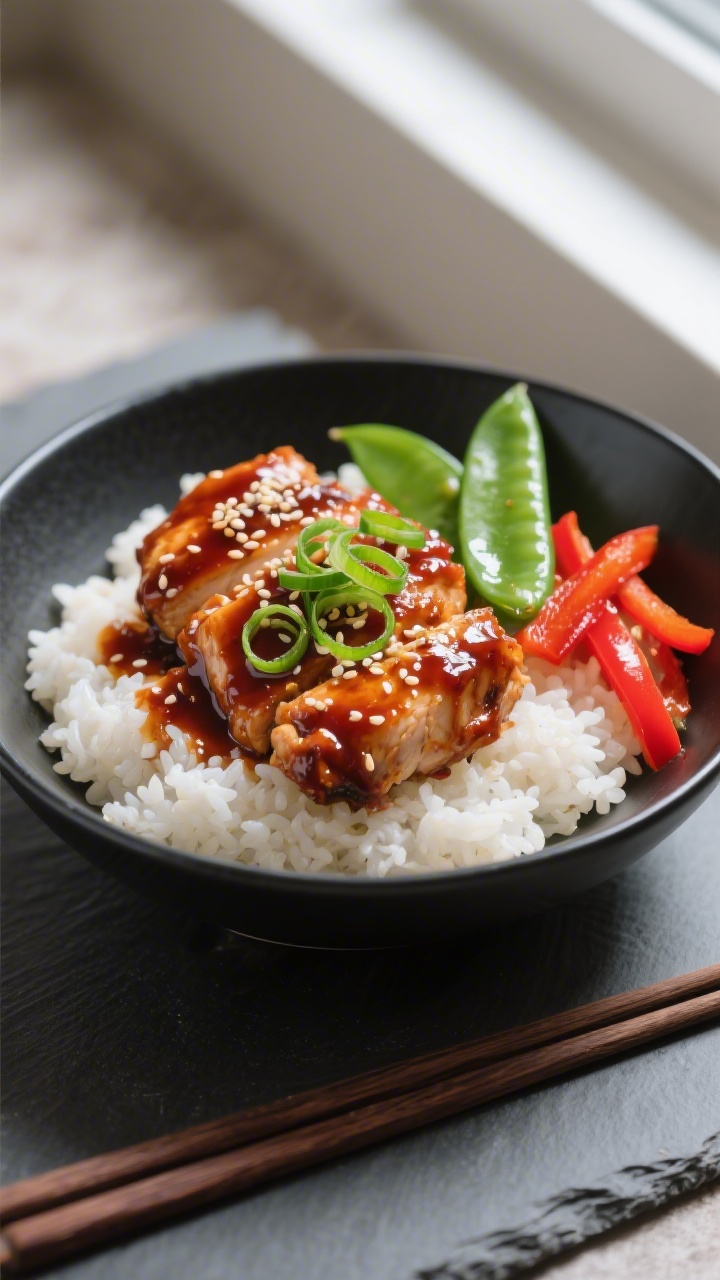
- Serve: Top with green onions and sesame seeds. Spoon over rice or noodles, or wrap in crisp lettuce leaves for a lighter option.
Keeping It Fresh
- Fridge: Store in an airtight container up to 4 days. The flavor deepens by day two.
- Reheat gently: Warm in a covered skillet over low heat with a splash of water until saucy again.
Avoid microwaving on high—it can dry the chicken.
- Freeze: Freeze cooked chicken and sauce up to 2 months. Thaw in the fridge overnight and reheat slowly.
- Meal prep tip: Keep rice and chicken in separate containers so the rice doesn’t soak up all the sauce.
Why This is Good for You
- Lean protein: Chicken supports muscle repair and steady energy.
- Fermented flavor: Gochujang’s fermentation adds depth and may support gut-friendly diversity when part of a varied diet.
- Balanced plate: Pair with vegetables and whole grains for fiber and micronutrients.
- Customizable sodium and sugar: You control soy sauce and sweetener levels, keeping it aligned with your goals.
What Not to Do
- Don’t overcrowd the pan: Crowding traps steam and prevents browning. Cook in batches for a caramelized edge.
- Don’t skip the honey or sugar entirely: A little sweetness balances gochujang’s heat and saltiness.
If reducing, add a splash of orange juice for balance.
- Don’t use high heat the whole time: Start hot to sear, then lower to simmer the sauce so it doesn’t burn.
- Don’t marinate too long in acid: Over 12 hours with vinegar can make the texture mushy. Keep it under 8 hours if possible.
- Don’t forget to taste: Adjust salt, heat, and sweetness at the end for a dialed-in finish.
Alternatives
- Protein swaps: Try thinly sliced pork shoulder, extra-firm tofu (pressed and pan-seared), or shrimp (marinate briefly, then cook fast).
- No gochugaru: Skip it or use a pinch of red pepper flakes. Start small and build heat.
- Gluten-free: Use tamari or certified gluten-free soy sauce.
Most gochujang contains wheat—look for gluten-free versions.
- No honey: Use brown sugar, maple syrup, or agave. Adjust to taste.
- Veggie boost: Add quick-cooking vegetables like snap peas, bell peppers, onions, or zucchini in the last few minutes.
- Grill option: Thread chicken onto skewers and grill over medium-high heat, brushing with extra marinade in the last minute. Finish with a quick glaze in a small pan if you want it stickier.
FAQ
How spicy is this chicken gochujang recipe?
It’s medium heat for most people.
Gochujang is more warm-sweet than fiery. For less heat, skip the gochugaru and add a little extra honey. For more, add a pinch of red pepper flakes.
Can I use chicken breast instead of thighs?
Yes.
Cut breasts into similar-size pieces for even cooking and keep an eye on timing—breast meat cooks faster and can dry out if overdone. Pull it as soon as it’s just cooked through.
What should I serve it with?
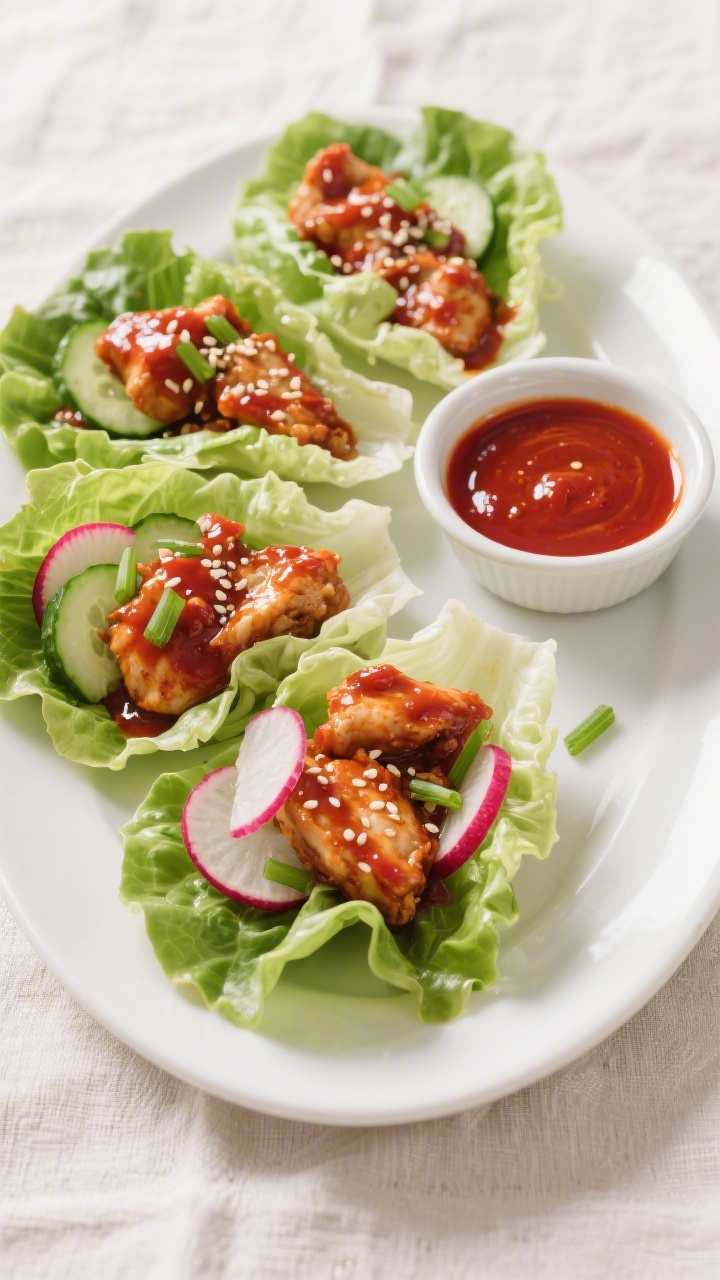
Steamed rice is classic. You can also try sesame noodles, cauliflower rice, or lettuce wraps with cucumber, radish, and kimchi on the side for crunch and brightness.
Can I bake this instead of pan-searing?
Yes.
Spread marinated chicken on a lined sheet pan and bake at 425°F (220°C) for 12–16 minutes, flipping once. Broil for 1–2 minutes to caramelize, then toss with warmed sauce if you want it extra glossy.
How do I keep the sauce from burning?
Lower the heat once the marinade hits the pan and add water or broth. Stir and scrape the bottom.
If it starts to thicken too quickly, add another splash of liquid and keep it moving.
Is there a substitute for gochujang?
There’s no perfect match, but a mix of miso paste, chili paste (like sambal oelek), a touch of soy sauce, and honey can get you close. The flavor won’t be identical, but it still tastes great.
Final Thoughts
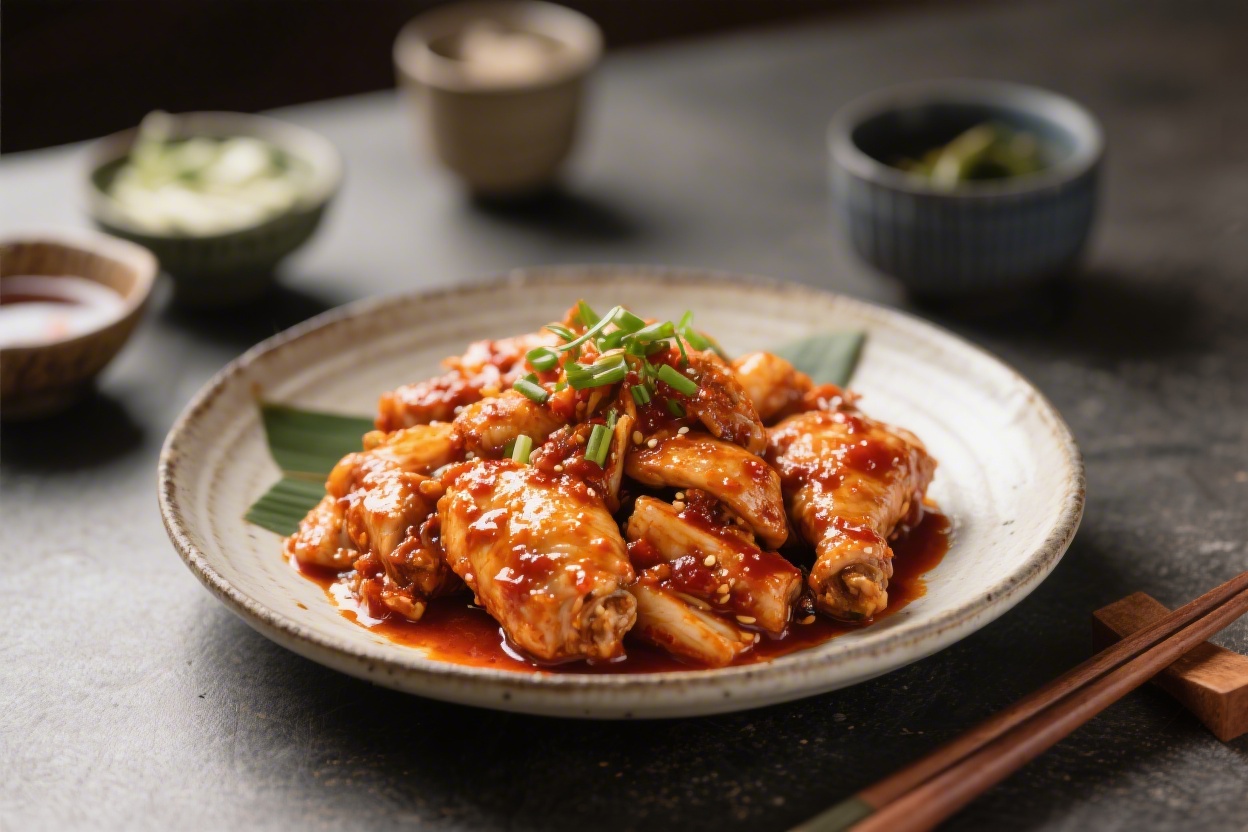
This chicken gochujang recipe is bold, fast, and reliable—exactly what you want on a busy night. It turns a handful of pantry staples into a glossy, satisfying meal with real character.
Keep the basics the same, then tweak the heat and sweetness to your taste. Once you try it, you’ll want it in your regular rotation. Make extra—you’ll be glad you did.
Ingredients
Method
- Prep the chicken: Pat the chicken dry and cut into bite-size pieces. Dry chicken browns better and won’t steam in the pan.
- Make the marinade: In a bowl, whisk gochujang, gochugaru (if using), soy sauce, rice vinegar, honey, sesame oil, garlic, and ginger until smooth.
- Marinate: Add chicken to the bowl and toss to coat evenly. Let it sit for at least 20 minutes at room temp, or up to 8 hours in the fridge.
- Heat the pan: Set a large skillet over medium-high heat and add the neutral oil. When it shimmers, it’s ready.
- Sear in batches: Add chicken in a single layer without crowding. Cook 3–4 minutes per side until browned and mostly cooked through. Transfer to a plate and repeat with remaining chicken.
- Make it saucy: Lower heat to medium. Pour remaining marinade into the pan with 1/3 cup water. Simmer 1–2 minutes, scraping up browned bits.
- Thicken (optional): Mix cornstarch with 1 tablespoon cold water. Stir into the pan and simmer 30–60 seconds until glossy.
- Finish: Return chicken to the pan and toss in the sauce for 1–2 minutes until coated and cooked through. Adjust seasoning with a splash of soy for salt or a drizzle of honey for sweetness.
- Serve: Top with green onions and sesame seeds. Spoon over rice or noodles, or wrap in crisp lettuce leaves for a lighter option.
Printable Recipe Card
Want just the essential recipe details without scrolling through the article? Get our printable recipe card with just the ingredients and instructions.

Olivia is a food enthusiast who loves creating simple, delicious recipes for everyday cooking. She shares easy meal ideas, comforting dishes, and kitchen tips to help home cooks enjoy flavorful meals with confidence.