
Tarragon Chicken Recipe – A Creamy, Classic Weeknight Favorite
Tarragon chicken is the kind of dish that feels special without being fussy. It’s rich, creamy, and fragrant, with fresh tarragon bringing a gentle, anise-like flavor that pairs perfectly with tender chicken. You get a silky sauce that clings to every bite and turns simple ingredients into something memorable.
This is a great choice for a cozy dinner, a small gathering, or when you want something satisfying that still cooks in under an hour. Serve it with rice, mashed potatoes, or crusty bread to catch every drop of the sauce.
Why This Recipe Works
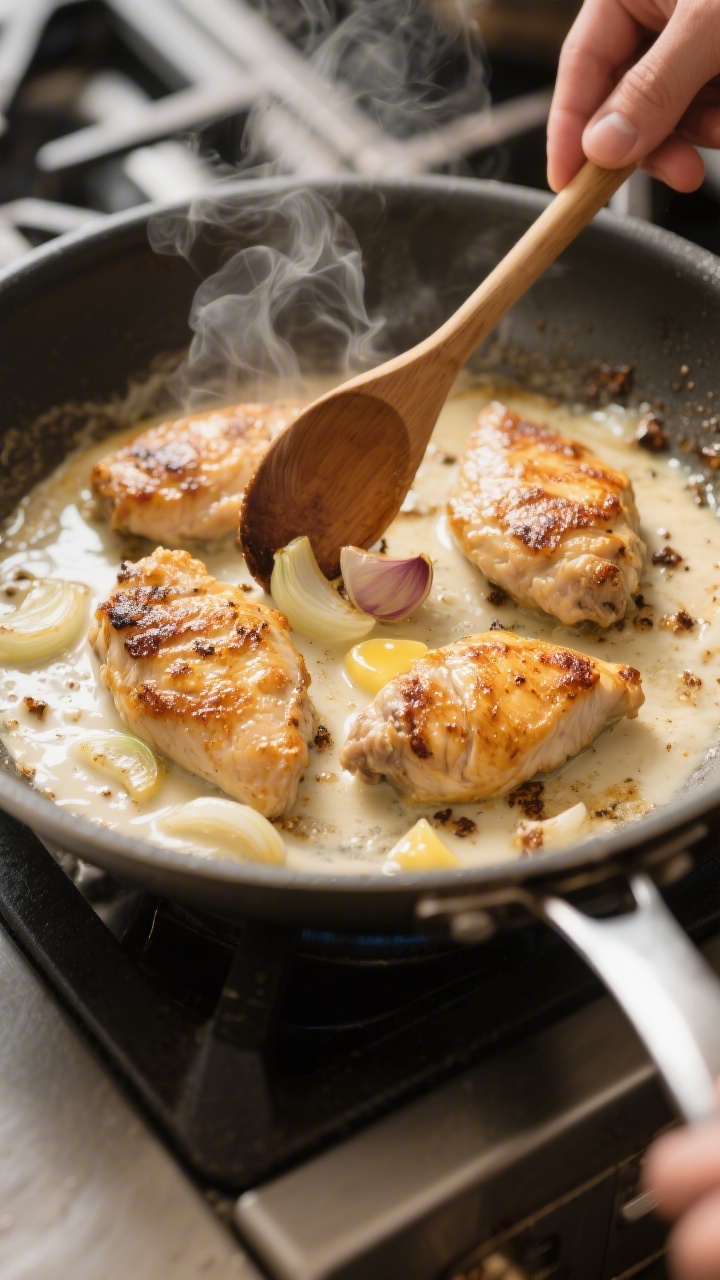
This recipe balances bright herbs, savory aromatics, and a splash of acidity to keep the cream sauce from feeling heavy. Browning the chicken first builds a deep, savory base in the pan.
A quick shallot and garlic sauté layers in flavor without taking over. White wine (or stock with a touch of lemon) loosens the fond and adds lift, while Dijon and cream bring body and richness. Fresh tarragon goes in at the end so it stays vibrant and aromatic.
The result is a sauce that’s smooth and fragrant, with a clean finish.
Shopping List
- Chicken: 4 boneless, skinless chicken breasts or 6 boneless thighs
- Salt and black pepper
- Olive oil (or a mix of olive oil and butter)
- Butter: 2 tablespoons
- Shallots: 2 small, finely minced (or 1/2 small onion)
- Garlic: 2–3 cloves, minced
- Dry white wine: 1/2 cup (Sauvignon Blanc, Pinot Grigio, or similar)
- Chicken stock: 1/2 to 3/4 cup, low-sodium
- Heavy cream: 3/4 cup (or crème fraîche for a tangier finish)
- Dijon mustard: 2 teaspoons
- Fresh tarragon: 2–3 tablespoons, chopped (plus extra for garnish)
- Lemon: 1, for zest and juice to taste
- Optional add-ins: mushrooms, peas, baby spinach
Instructions
- Prep the chicken. Pat chicken dry and season both sides with salt and pepper. If using large breasts, pound to an even thickness so they cook uniformly.
- Brown the chicken. Heat 1 tablespoon olive oil and 1 tablespoon butter in a large skillet over medium-high. Sear chicken 4–5 minutes per side until golden.
Transfer to a plate; it will finish cooking in the sauce.
- Soften aromatics. Lower heat to medium. Add remaining 1 tablespoon butter. Sauté shallots for 2–3 minutes until translucent.
Add garlic and cook 30 seconds until fragrant. Don’t let them brown.
- Deglaze. Pour in white wine. Scrape up browned bits from the pan with a wooden spoon.
Let it simmer 2–3 minutes to reduce by half. If skipping wine, use chicken stock and a squeeze of lemon later.
- Build the sauce. Stir in 1/2 cup chicken stock, heavy cream, and Dijon. Whisk until smooth.
Simmer gently 3–4 minutes until slightly thickened. If too thick, add a splash more stock.
- Season and add tarragon. Stir in chopped tarragon and a pinch of salt and pepper. Taste and adjust.
Add a light zesting of lemon and a small squeeze of juice to brighten.
- Finish the chicken. Return chicken and any juices to the pan. Simmer on low 4–6 minutes, turning once, until cooked through and the sauce coats the chicken. Aim for 165°F internal temperature.
- Garnish and serve. Sprinkle with more tarragon.
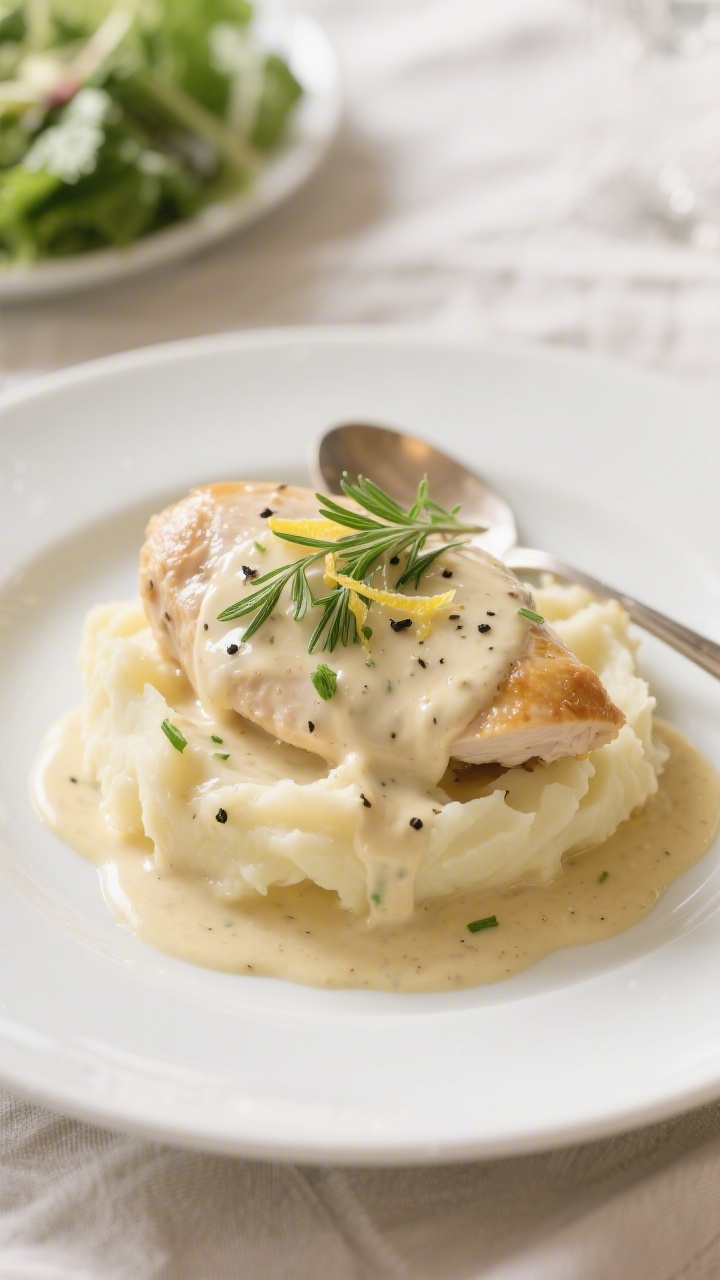
Serve hot over mashed potatoes, buttered noodles, rice, or with crusty bread and a green side.
Keeping It Fresh
Store leftovers in an airtight container for up to 3 days. The sauce will thicken in the fridge, so reheat gently with a splash of stock or water to loosen it. Use low heat on the stovetop to avoid splitting the cream.
If freezing, cook the chicken and sauce separately: freeze the chicken and a reduced stock base, then add cream and tarragon when reheating for the best texture and flavor. Fresh tarragon loses punch over time, so add a little more when serving leftovers.
Why This is Good for You
- Lean protein: Chicken breast offers solid protein with minimal saturated fat.
- Herb-forward flavor: Tarragon adds aroma and taste so you can use less salt without losing impact.
- Balanced richness: Cream adds satisfaction, which can help with portion control. You can lighten it with half-and-half or Greek yogurt if you prefer.
- Customizable veggies: Add mushrooms, peas, or spinach for fiber and micronutrients without changing the soul of the dish.
What Not to Do
- Don’t skip browning. That golden crust creates the fond, which is key to flavor in the sauce.
- Don’t boil the cream hard. A rolling boil can cause splitting.
Keep it at a gentle simmer.
- Don’t add tarragon too early. Prolonged heat dulls its flavor. Stir it in near the end.
- Don’t over-salt before reducing. As the sauce reduces, salt concentrates. Season in layers and taste as you go.
- Don’t crowd the pan. Overcrowding steams the chicken instead of searing it.
Work in batches if needed.
Variations You Can Try
- Light and tangy: Swap half the cream for low-sodium stock and finish with a spoon of crème fraîche for brightness.
- Mushroom tarragon chicken: Sauté 8 ounces sliced cremini after the shallots, then continue as directed.
- Tarragon mustard pan sauce: Increase Dijon to 1 tablespoon and add a teaspoon of whole-grain mustard for texture.
- Roasted garlic version: Stir in mashed roasted garlic for a sweeter, mellow sauce.
- Yogurt finish: For a lighter option, reduce stock until flavorful, remove the pan from heat, then whisk in plain Greek yogurt. Add tarragon last.
- Thighs with crisp skin: Use bone-in, skin-on thighs. Sear skin-side down until crisp, then finish in the oven at 375°F.
Make the sauce separately and pour over to serve.
- No-wine option: Use extra stock and finish with lemon juice and zest to mimic the acidity of wine.
FAQ
Can I use dried tarragon instead of fresh?
Yes, but use it sparingly. Dried tarragon is more concentrated and can taste sharper. Start with 1 to 1 1/2 teaspoons dried, add early in the sauce so it softens, and finish with a little fresh parsley or chives for brightness.
What’s the best wine for the sauce?
Choose a dry white with good acidity, like Sauvignon Blanc, Pinot Grigio, or an unoaked Chardonnay.
Avoid sweet wines, which can make the sauce taste cloying.
How do I prevent the cream from curdling?
Keep the heat moderate, avoid boiling, and don’t add cold cream to a very hot pan. Let the cream warm slightly before adding, and whisk as you pour. If using yogurt, take the pan off the heat first.
Can I make this ahead?
You can sear the chicken and prep the aromatics ahead.
For the best texture, build the cream sauce and add tarragon just before serving. If reheating, do it gently and refresh with a splash of stock and a pinch of fresh tarragon.
What can I serve with tarragon chicken?
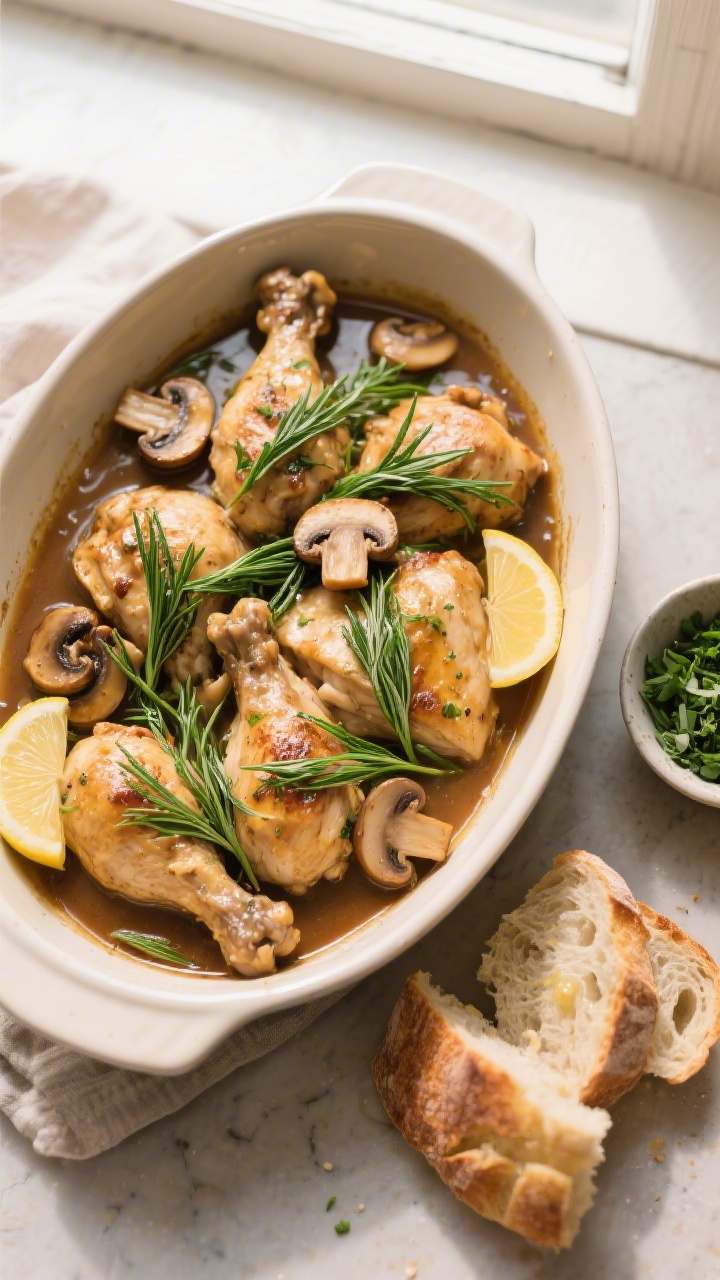
Mashed potatoes, buttered egg noodles, or rice are classic. For something lighter, try steamed asparagus, green beans, or a lemony salad.
Crusty bread is great for mopping up the sauce.
Is there a dairy-free option?
Use olive oil instead of butter and swap the cream for a neutral, unsweetened plant cream or a cashew cream. The flavor will be slightly different, but the tarragon and Dijon will still shine.
Can I use bone-in chicken?
Absolutely. Brown well, then simmer in the sauce longer, or finish in the oven until the internal temperature hits 165°F.
Expect a few extra minutes of cook time, but you’ll get great flavor.
In Conclusion
This tarragon chicken recipe is simple, comforting, and packed with fresh, clean flavor. It turns a few everyday ingredients into a silky pan sauce that feels restaurant-worthy. With smart steps and a handful of pantry staples, you can get a satisfying dinner on the table fast.
Keep the heat gentle, add tarragon at the end, and don’t forget a squeeze of lemon. Then sit back and enjoy a classic that never gets old.
Ingredients
Method
- Prep the chicken. Pat chicken dry and season both sides with salt and pepper. If using large breasts, pound to an even thickness so they cook uniformly.
- Brown the chicken. Heat 1 tablespoon olive oil and 1 tablespoon butter in a large skillet over medium-high. Sear chicken 4–5 minutes per side until golden. Transfer to a plate; it will finish cooking in the sauce.
- Soften aromatics. Lower heat to medium. Add remaining 1 tablespoon butter. Sauté shallots for 2–3 minutes until translucent. Add garlic and cook 30 seconds until fragrant. Don’t let them brown.
- Deglaze. Pour in white wine. Scrape up browned bits from the pan with a wooden spoon. Let it simmer 2–3 minutes to reduce by half. If skipping wine, use chicken stock and a squeeze of lemon later.
- Build the sauce. Stir in 1/2 cup chicken stock, heavy cream, and Dijon. Whisk until smooth. Simmer gently 3–4 minutes until slightly thickened. If too thick, add a splash more stock.
- Season and add tarragon. Stir in chopped tarragon and a pinch of salt and pepper. Taste and adjust. Add a light zesting of lemon and a small squeeze of juice to brighten.
- Finish the chicken. Return chicken and any juices to the pan. Simmer on low 4–6 minutes, turning once, until cooked through and the sauce coats the chicken. Aim for 165°F internal temperature.
- Garnish and serve. Sprinkle with more tarragon. Serve hot over mashed potatoes, buttered noodles, rice, or with crusty bread and a green side.
Printable Recipe Card
Want just the essential recipe details without scrolling through the article? Get our printable recipe card with just the ingredients and instructions.

Olivia is a food enthusiast who loves creating simple, delicious recipes for everyday cooking. She shares easy meal ideas, comforting dishes, and kitchen tips to help home cooks enjoy flavorful meals with confidence.