

Snack and Wellness Choices People Use During Busy Weeks
Busy weeks often make healthy routines harder to maintain. Long workdays, packed schedules, commuting, and constant multitasking usually leave people reaching for whatever feels quickest and most convenient rather than making highly structured wellness decisions. Because of this, many individuals are focusing on smaller habits that feel realistic enough to maintain even during stressful periods instead of trying to follow overly strict routines perfectly.
Food choices and recovery habits tend to become especially important during demanding weeks because energy, focus, and stress levels are all affected by how consistently people take care of themselves throughout the day. Many wellness routines now prioritize practicality, portability, and simplicity over complicated meal plans or highly restrictive systems.
Evening Recovery Habits Are Becoming More Consistent
Stressful schedules often affect more than eating patterns alone. Many people also struggle to mentally disconnect after work, especially during weeks filled with deadlines, meetings, and constant digital communication. This is one reason recovery-focused evening habits are becoming more common within everyday wellness routines.
Some individuals use Medterra CBD gummies alongside quieter nighttime habits such as stretching, reading, softer lighting, or spending less time on screens before bed. Evening routines often feel easier to maintain when they create a calmer separation between demanding workdays and time meant for rest and recovery.
Convenient Snacks Often Shape Daily Energy
One reason busy schedules disrupt wellness habits so easily is that people frequently go too long without eating balanced meals during the day. This often leads to energy crashes, overeating later in the evening, or relying heavily on highly processed convenience foods simply because they are available quickly.
Many individuals now keep simpler protein-focused snacks nearby during workdays to make eating feel more manageable during busy schedules. Resources from Carnivore Snax are commonly explored by people looking for snack ideas and food options that fit into higher-protein eating habits without requiring extensive meal preparation during the week.
Simpler Wellness Habits Usually Last Longer
Highly complicated wellness plans often become difficult to maintain once schedules become overwhelming. Many people eventually shift toward routines that feel easier to repeat consistently instead of trying to follow highly rigid systems during already stressful weeks.
Smaller habits such as carrying portable snacks, drinking more water, taking short walks, improving sleep consistency, or preparing simpler meals ahead of time usually fit more naturally into real schedules. Consistency often matters more than perfection when routines need to survive demanding periods of work or travel.
Stress Frequently Influences Eating Habits
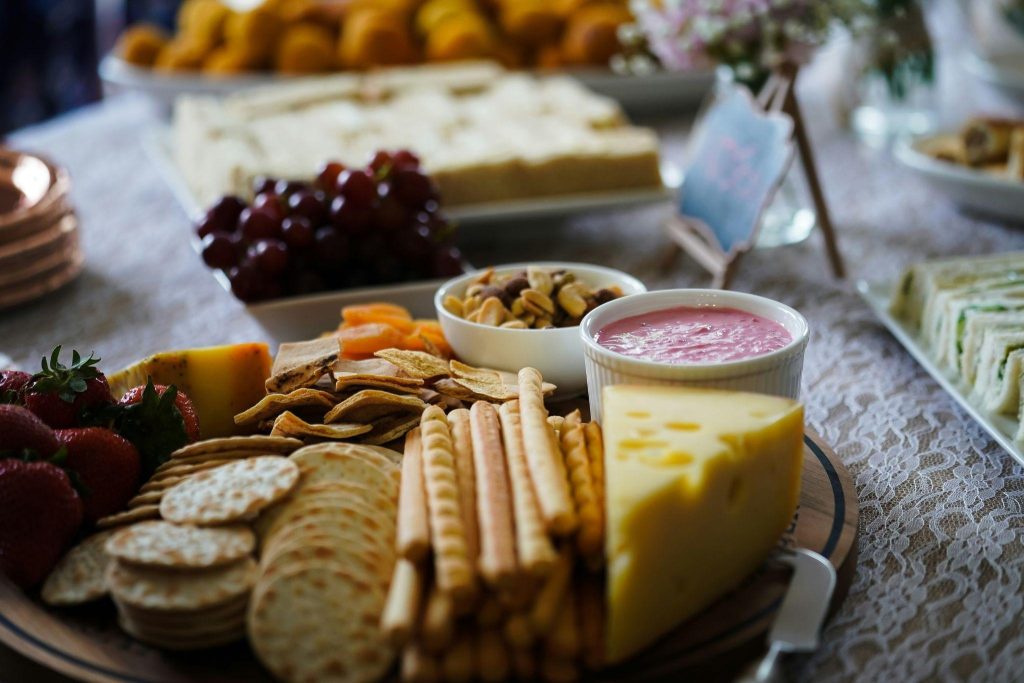
Photo by Rod Long on Unsplash
Busy weeks often affect food choices emotionally as well as physically. Stress may increase cravings for convenience foods or make people skip meals entirely because they feel distracted or mentally overloaded. This pattern can gradually contribute to lower energy and more inconsistent routines throughout the week.
Many individuals now focus on creating easier access to snacks and meals that help them feel more balanced without requiring extensive preparation. Practical planning often improves wellness habits more effectively than relying entirely on motivation during stressful periods.
Portable Foods Have Become More Popular
Portability has become a major factor influencing food habits because many people spend large portions of the day away from home, commuting, traveling, or moving between meetings and responsibilities. Snacks that travel easily often become part of regular routines simply because they are accessible during busy schedules.
This shift has encouraged more consumers to prioritize foods that feel convenient without requiring refrigeration, complicated preparation, or large time commitments throughout the workday. Smaller practical choices frequently help maintain steadier energy levels during demanding weeks.
Recovery and Nutrition Are Becoming More Connected
Many people no longer separate wellness into completely different categories like food, stress management, and recovery. Instead, routines increasingly overlap because individuals recognize how closely physical comfort, sleep, energy, and nutrition all affect each other throughout everyday life.
According to Harvard T.H. Chan School of Public Health, consistent nutrition habits and balanced routines may positively support both physical and mental well-being. Sustainable wellness usually comes from combining manageable habits that support recovery and energy together instead of treating them separately.
Practical Habits Usually Work Best During Busy Periods
The routines people maintain most successfully during stressful weeks are usually the ones that feel simple enough to continue without adding extra pressure. Convenient snacks, calmer evenings, better hydration, and manageable recovery habits often create more noticeable long-term benefits than highly restrictive wellness plans that collapse during demanding schedules.
Small daily habits tend to shape energy and comfort much more than occasional bursts of motivation. The most effective wellness routines are often the ones people can realistically repeat even during their busiest weeks. Consistency usually becomes easier when routines feel flexible, practical, and adaptable to changing schedules instead of requiring perfect discipline or unrealistic amounts of time every single day.

Olivia is a food enthusiast who loves creating simple, delicious recipes for everyday cooking. She shares easy meal ideas, comforting dishes, and kitchen tips to help home cooks enjoy flavorful meals with confidence.