
The Fast Food Classics We Keep Coming Back To
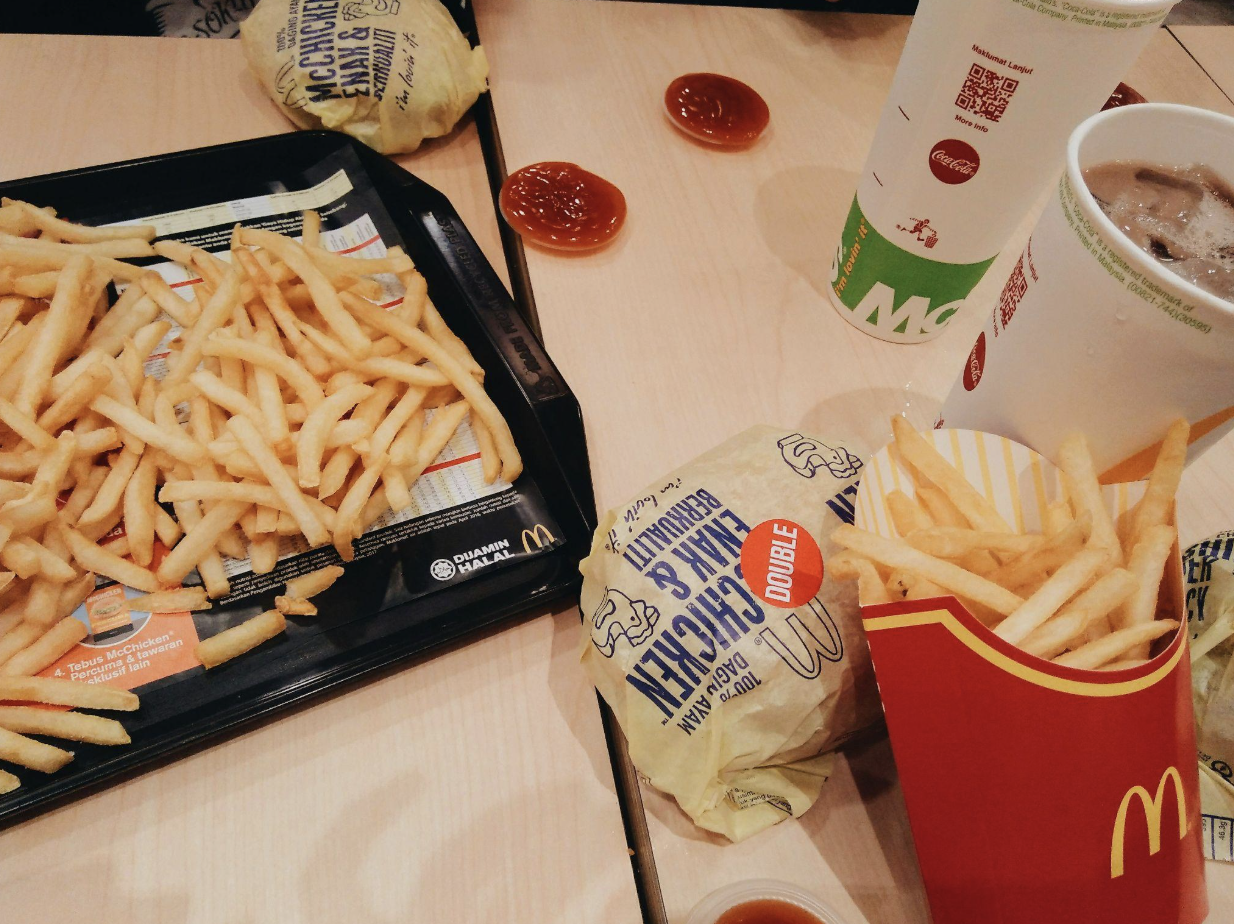
Fast food trends come and go, but certain menu items remain popular across generations. While restaurants constantly introduce new flavors, limited-time promotions, and experimental combinations, familiar favorites continue to attract customers who appreciate their simplicity, convenience, and recognizable taste.
From cheeseburgers and crispy fries to fried chicken and milkshakes, classic fast food has become an important part of American food culture. These meals are associated with road trips, family outings, school lunches, and countless everyday experiences. Their appeal often extends beyond the food itself, connecting familiar flavors with personal memories and established routines.
For restaurant operators, maintaining the popularity of classic menu items requires a balance between tradition and innovation. Customers expect familiar products to remain consistent, even as businesses adapt to changing economic conditions and consumer preferences. Understanding why these favorites endure reveals how fast food continues to influence American dining habits.
Classic Menu Items Are the Financial Foundation of Fast Food Chains
Successful fast food businesses frequently depend on products that customers recognize immediately. A signature burger, familiar chicken sandwich, or established breakfast item can generate consistent demand while helping restaurants maintain a recognizable identity.
These dependable sellers are particularly important when companies introduce experimental menu items. New products may attract attention, but established favorites provide a foundation for planning ingredient purchases, staffing requirements, and long-term operations.
This balance between dependable earnings and future expansion resembles an important distinction in financial investing. Understanding dividend vs growth stocks introduces two approaches to evaluating companies, one emphasizing shareholder distributions and the other focusing on potential business expansion. For entrepreneurs examining the financial side of restaurant ownership, these concepts provide useful perspectives on balancing current financial performance with future opportunities.
Fast food chains face similar strategic considerations when deciding whether to invest in new locations, expand delivery services, or improve existing restaurants. Strong performance from established menu items can create the financial flexibility needed to pursue these developments.
The lasting popularity of familiar products therefore contributes to more than customer satisfaction. It also supports the commercial stability that allows major restaurant brands to continue evolving.
The Cheeseburger Remains an American Favorite
Few foods are more closely associated with American fast food than the cheeseburger. Its familiar combination of beef, cheese, bread, and traditional toppings has remained popular despite decades of changing dining trends.
One reason for its appeal is versatility. Restaurants can offer simple cheeseburgers alongside larger variations featuring different sauces, vegetables, and preparation styles. Customers can choose between straightforward combinations and more elaborate options without moving away from a familiar product.
Cheeseburgers also occupy an important place in fast food history. Major restaurant chains built recognizable identities around burgers, making them central to advertising campaigns and everyday dining experiences.
Their continued popularity demonstrates the commercial value of products that combine convenience with recognizable flavors. Even when restaurants introduce new ingredients or limited-edition combinations, the traditional cheeseburger remains a dependable choice for many customers.
French Fries Have Become an Essential Side Dish
French fries are among the most recognizable fast food products worldwide. Although preparation methods and seasonings vary, their familiar texture and convenience have made them a standard accompaniment to numerous meals.
The appeal of fries comes partly from their simplicity. They can be served in different portion sizes, paired with various sauces, and enjoyed alongside burgers, chicken, or sandwiches.
Restaurants have experimented with seasoned fries, loaded variations, and alternative cutting styles, but traditional salted fries remain a familiar favorite.
Consistency is especially important. Customers often associate particular chains with the taste and texture of their fries, making preparation standards a significant part of brand identity.
French fries also demonstrate how an inexpensive, straightforward menu item can become one of the defining features of a restaurant experience.
For many customers, a fast food meal simply feels incomplete without them.
Fried Chicken Continues to Attract Loyal Customers
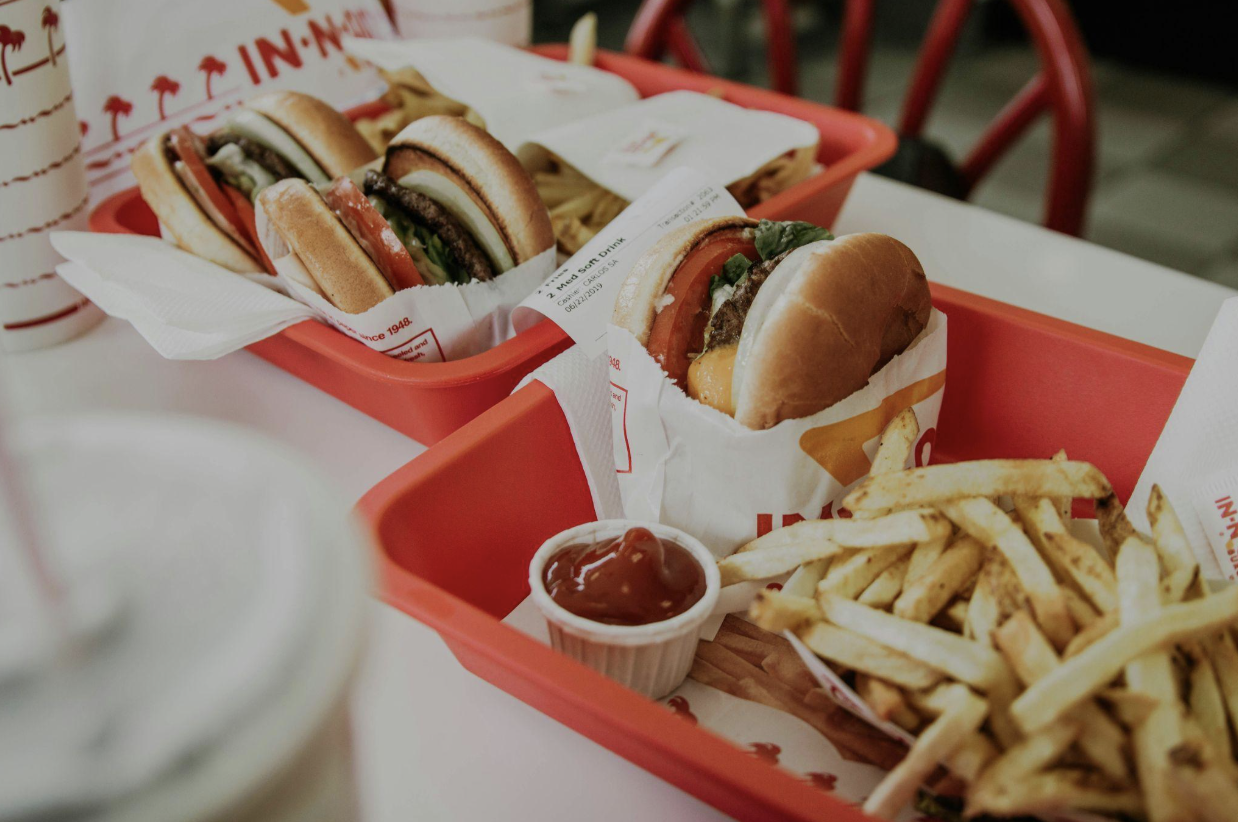
Fried chicken has maintained a strong position in American fast food culture through its distinctive flavor, recognizable preparation methods, and variety of serving options.
Traditional fried chicken meals remain popular, while sandwiches, tenders, and smaller portions provide alternatives suited to different occasions.
Seasoning and preparation methods are especially important in this category. Many restaurant brands have built their reputations around particular spice combinations, breading techniques, and recognizable textures.
Chicken sandwiches have also become a major source of competition between fast food chains. Restaurants frequently introduce new versions featuring different sauces, toppings, and bread varieties.
Despite these innovations, familiar fried chicken recipes continue to attract customers who appreciate established flavors.
The category’s enduring appeal reflects its ability to accommodate new ideas while maintaining a recognizable connection to traditional comfort food.
Pizza and Hot Dogs Remain Convenient Comfort Foods
Pizza and hot dogs occupy distinctive positions within American casual dining. Both are associated with convenient meals, social gatherings, and familiar flavors that have remained popular for generations.
Pizza offers exceptional flexibility through different crust styles, toppings, and portion sizes. It is equally suitable for individual lunches, family dinners, and group celebrations.
Hot dogs are strongly connected to sporting events, outdoor gatherings, and regional food traditions. Their simplicity makes them convenient to prepare and customize with familiar toppings.
Although these foods are available through different types of restaurants, their influence on fast food culture is unmistakable.
Regional variations also contribute to their popularity. Different cities have developed recognizable preferences involving ingredients and preparation styles.
These distinctions allow familiar products to maintain a sense of tradition while offering customers opportunities to explore different versions.
Milkshakes and Desserts Complete the Experience
Classic fast food desserts have developed their own loyal followings. Milkshakes, soft-serve ice cream, sundaes, and familiar baked treats often provide the finishing touch to a casual meal.
Traditional milkshake flavors such as chocolate, vanilla, and strawberry remain popular because they offer recognizable tastes associated with earlier generations of American diners.
Restaurants frequently introduce seasonal desserts and limited-edition combinations, but established favorites continue to occupy important positions on menus.
Desserts also contribute to the emotional appeal of fast food. A milkshake after a school event or an ice cream during a family outing can become associated with enjoyable personal memories.
For restaurant businesses, dessert options provide opportunities to increase menu variety without completely changing their core dining concept.
Their popularity demonstrates how familiar treats can remain relevant even as consumer preferences and restaurant designs evolve.
Nostalgia Keeps Traditional Fast Food Relevant
One of the strongest reasons people return to familiar fast food is nostalgia. Meals associated with childhood, family traditions, and memorable experiences often maintain emotional significance long after individual tastes change.
Restaurants recognize this connection and occasionally introduce promotions inspired by earlier menu designs, recognizable packaging, or products associated with particular periods.
These campaigns can attract longtime customers while introducing familiar flavors to younger audiences.
However, nostalgia works best when supported by dependable quality. Customers returning to an old favorite still expect a satisfying dining experience.
Fast food businesses must therefore preserve recognizable elements while continuing to improve service, convenience, and operational efficiency.

Olivia is a food enthusiast who loves creating simple, delicious recipes for everyday cooking. She shares easy meal ideas, comforting dishes, and kitchen tips to help home cooks enjoy flavorful meals with confidence.