
The Changing Role of Fast Food in Modern American Lifestyles
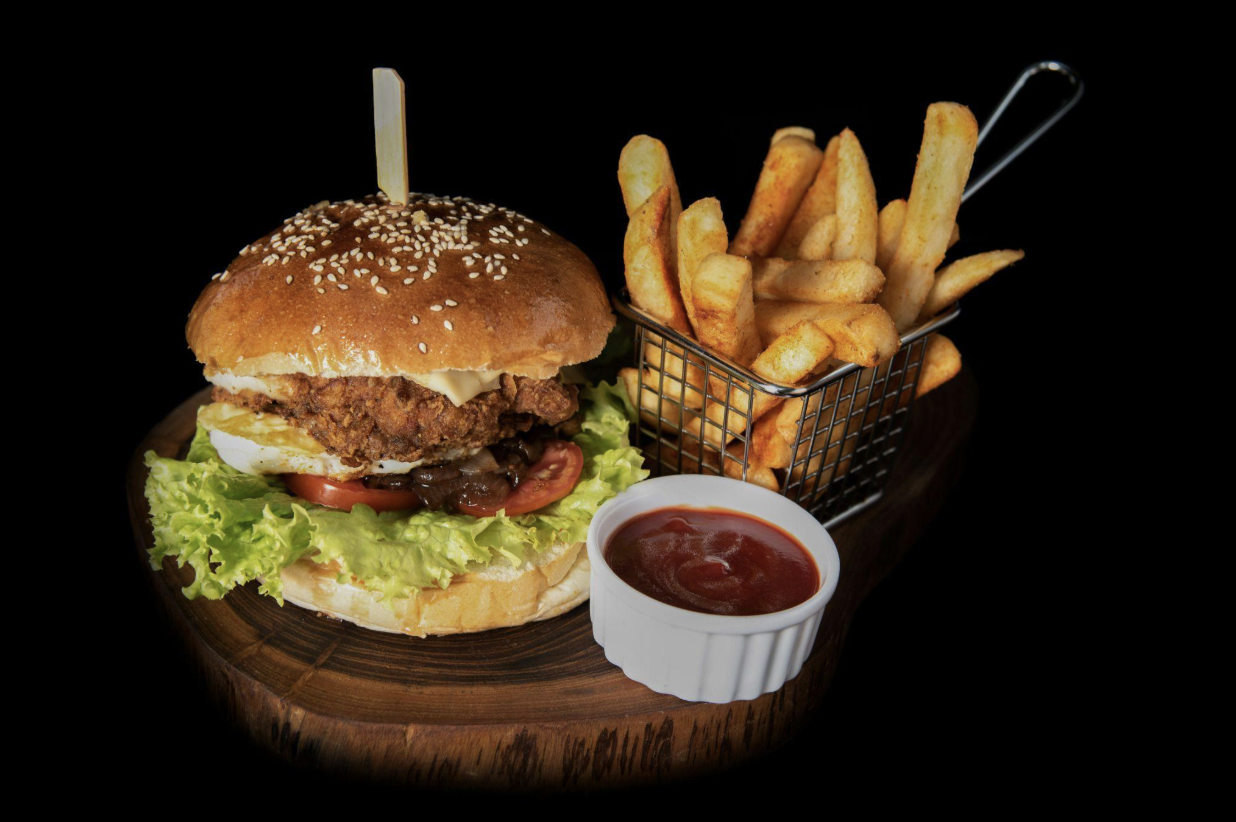
Fast food has been part of American culture for decades, offering affordable meals, familiar flavors, and convenient dining options. However, its role in everyday life has changed considerably as consumer preferences, working arrangements, and expectations surrounding food continue to evolve. What was once primarily associated with quick meals on the road has become an important part of broader conversations about convenience, technology, lifestyle choices, and personal well-being.
Modern consumers approach fast food differently depending on their schedules, priorities, and circumstances. Some value the speed of drive-through restaurants, while others appreciate mobile ordering, customizable menus, and accessible dining experiences.
For restaurants, adapting to these expectations requires more than introducing new products. Businesses must understand how Americans organize their time, make purchasing decisions, and balance convenience with other aspects of daily life. These changing habits reveal how fast food continues to influence contemporary American lifestyles.
Convenience Is Reshaping More Than American Eating Habits
Convenience has become a defining characteristic of modern consumer behavior. Americans increasingly appreciate products and services that fit into demanding schedules, whether they involve meal delivery, online shopping, digital entertainment, or household technology.
Fast food restaurants have responded by introducing mobile ordering, automated payment systems, and improved pickup arrangements. These developments allow customers to coordinate meals around professional responsibilities, family activities, and personal commitments.
The same preference for accessible experiences is influencing other lifestyle categories, including home wellness. Consumers researching different types of saunas, for example, can compare traditional, infrared, and other sauna options while considering which designs complement their preferred relaxation routines. This reflects how people increasingly organize both practical purchases and leisure activities around their individual lifestyles.
For fast food businesses, understanding these broader expectations is essential. Customers increasingly appreciate convenience that offers flexibility and choice rather than simply reducing the time required to complete a purchase.
Digital Ordering Is Transforming the Restaurant Experience
Technology has become central to the modern fast food industry. Mobile applications, self-service kiosks, and digital loyalty programs are changing how customers discover products, place orders, and interact with restaurants.
Ordering through a smartphone allows customers to review menus, customize selections, and arrange pickup before arriving. This can be particularly convenient during lunch breaks or busy evenings when time is limited.
Digital loyalty programs also encourage repeat visits by offering personalized promotions and rewards. Restaurants can use purchasing information to better understand popular menu combinations and changing customer preferences.
For operators, these systems create opportunities to improve order accuracy and coordinate service more efficiently. However, successful implementation depends on straightforward interfaces and dependable service.
Customers still expect their meals to be prepared correctly and available when promised, regardless of which technology they use.
The strongest restaurant experiences combine digital convenience with the consistency and accessibility that made fast food popular in the first place.
Menu Variety Is Reflecting Changing Consumer Preferences
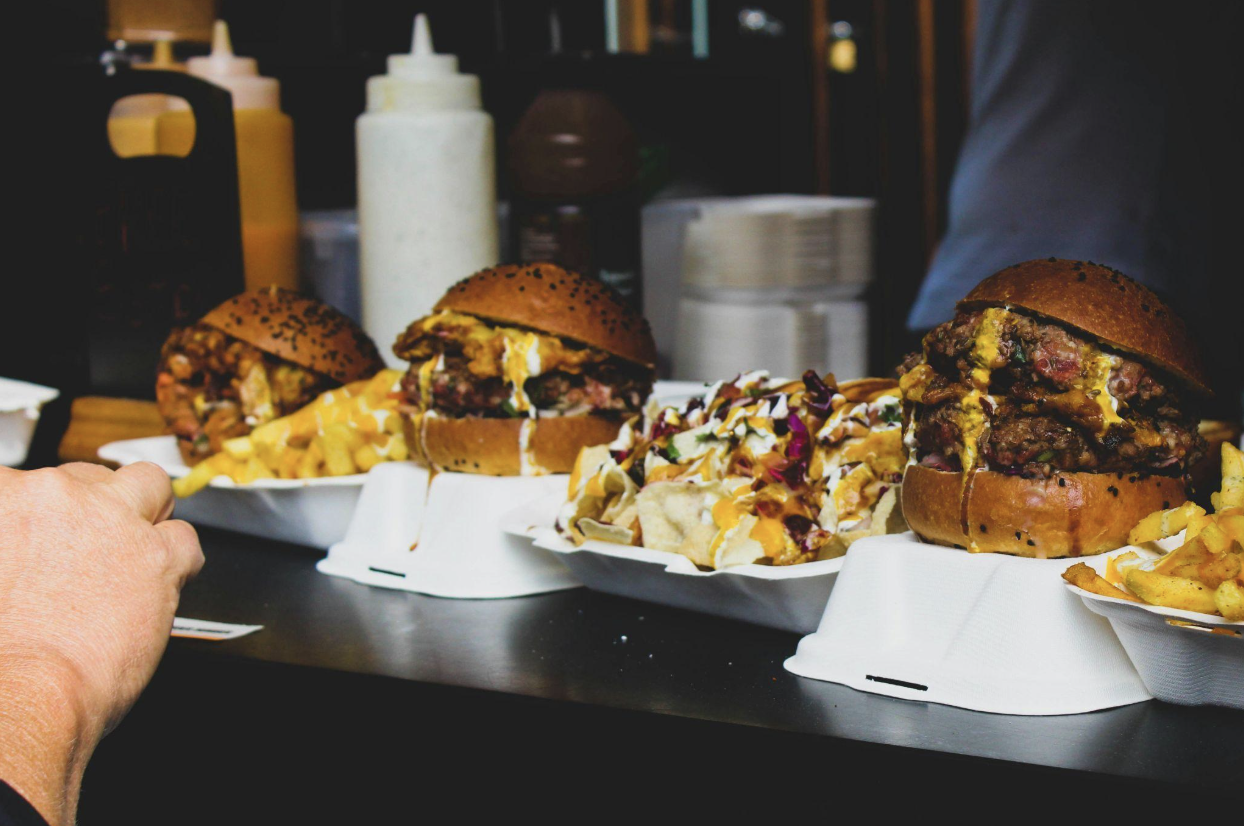
American fast food menus have become increasingly diverse as restaurants respond to different dietary preferences, cultural influences, and purchasing habits.
Traditional burgers, fries, and fried chicken remain familiar favorites, but many chains now offer additional choices involving grilled ingredients, customizable bowls, alternative proteins, and different portion sizes.
Regional flavors and international influences have also become more visible. Restaurants regularly experiment with sauces, seasonings, and limited-time products inspired by culinary traditions from different parts of the world.
Customization is another important development. Customers increasingly appreciate the ability to adjust ingredients according to personal taste or dietary requirements.
For businesses, broader menus create opportunities to attract different customers, although excessive complexity can make kitchen operations more demanding.
Successful menu development therefore requires balancing variety with preparation efficiency and consistent product quality. Restaurants that understand their audiences can introduce appealing choices while preserving the familiar experiences customers expect.
Delivery Services Are Changing Where Americans Eat
Fast food was traditionally associated with restaurant dining, takeaway counters, and drive-through visits. Delivery applications have expanded these possibilities by allowing customers to enjoy familiar restaurant meals at home or in the workplace.
This shift has influenced how restaurants organize their kitchens, packaging, and staffing. Orders may arrive through several channels simultaneously, requiring employees to coordinate in-person customers with digital delivery requests.
Packaging has become especially important because meals must remain presentable during transportation. Restaurants also need reliable systems for preparing orders and communicating with delivery partners.
For consumers, delivery provides another option for managing meals around busy schedules. Families can order dinner after demanding workdays, while employees may arrange food during office meetings.
However, delivery fees and convenience charges can influence purchasing decisions, encouraging customers to compare ordering methods.
The growth of delivery demonstrates how fast food is becoming less dependent on traditional restaurant visits and more integrated into everyday household routines.
Fast Food Remains an Important Part of American Social Culture
Despite technological changes, fast food continues to serve a social purpose in American communities. Restaurants are familiar gathering places for students, families, coworkers, and friends seeking an accessible setting for informal meals.
For teenagers, a neighborhood restaurant may provide an affordable place to meet after school. Families might stop for food during weekend activities, while travelers rely on recognizable chains during long journeys.
These experiences demonstrate how fast food has become connected to everyday routines and shared memories.
Brand recognition also contributes to this cultural role. Familiar menus and consistent restaurant environments can provide a sense of predictability across different locations.
At the same time, independent quick-service restaurants introduce distinctive local flavors and dining experiences.
The combination of national brands and regional businesses helps maintain fast food’s position within American food culture while offering consumers different ways to enjoy casual dining.
The Future of Fast Food Will Depend on Adaptability
The American fast food industry faces continuing changes in consumer expectations, labor requirements, operating expenses, and technological capabilities. Restaurants must respond while maintaining the accessibility that remains central to their appeal.
Automation may become more common in selected kitchen and ordering processes, while digital platforms will likely continue shaping customer relationships. Menu development, service speed, and convenient pickup arrangements will remain important competitive considerations.
Businesses may also explore improvements in packaging, ingredient sourcing, and operational efficiency as consumers become more attentive to how restaurants operate.
However, new technology alone cannot guarantee a successful dining experience. Customers continue to value dependable service, recognizable flavors, convenient locations, and reasonable prices.
Ultimately, fast food’s changing role reflects broader developments in American lifestyles. As people balance professional responsibilities, family activities, personal interests, and convenience, restaurants are adapting to serve them in more flexible ways.
The businesses that succeed will be those that understand these everyday needs while preserving the familiarity, accessibility, and enjoyment that have made fast food a lasting feature of American culture.

Olivia is a food enthusiast who loves creating simple, delicious recipes for everyday cooking. She shares easy meal ideas, comforting dishes, and kitchen tips to help home cooks enjoy flavorful meals with confidence.