
The Secrets Behind a Well-Run Fast Food Restaurant
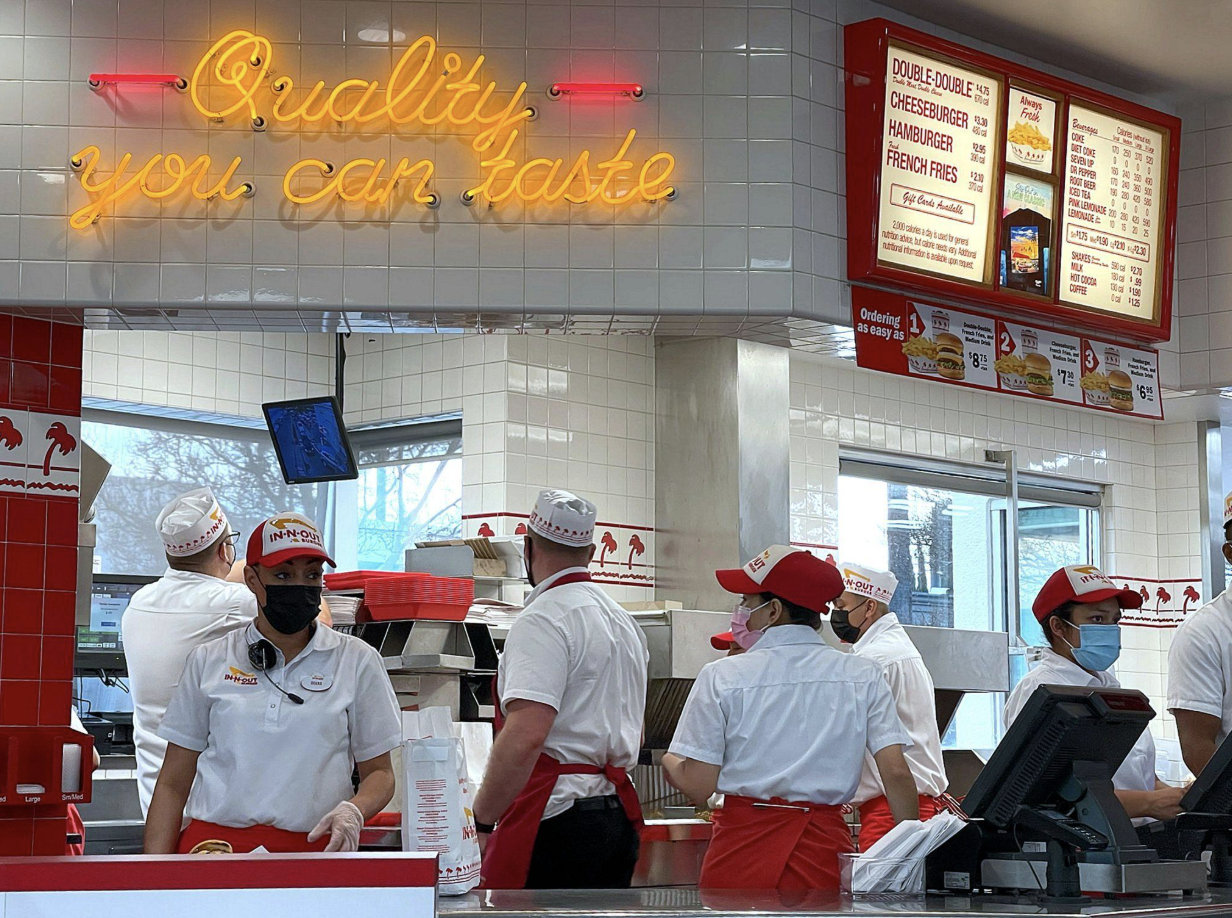
Running a successful fast food restaurant involves much more than preparing meals quickly and keeping prices competitive. Behind every efficient counter service, accurate order, and satisfied customer is a carefully organized operation that depends on teamwork, planning, and attention to detail.
Customers rarely see the preparation that takes place before a restaurant opens or the coordination required during a busy lunch rush. Ingredient deliveries, equipment inspections, staff schedules, cleaning routines, and inventory checks all contribute to keeping the business running smoothly. When these responsibilities are managed effectively, employees can focus on delivering the convenient dining experience customers expect.
For restaurant owners, operational consistency is particularly important in an industry where small delays and mistakes can quickly affect customer satisfaction. Understanding the systems behind successful fast food businesses reveals how practical management decisions can improve efficiency, maintain quality, and encourage customers to return.
Clean Facilities and Organized Workspaces Support Daily Operations
Cleanliness is one of the most important responsibilities in any food service business. Customers expect dining areas, ordering counters, restrooms, and other shared spaces to be maintained consistently, while employees need organized environments that support efficient work.
Fast food restaurants experience frequent spills, grease buildup, and heavy foot traffic. Floors around entrances, dining areas, and service counters may require attention throughout the day, particularly during busy periods when customers are constantly moving between tables and ordering stations.
Restaurant operators managing several locations or larger commercial facilities may also evaluate equipment used in their administrative offices and shared staff areas. Understanding how to choose the best scrubber for office floors can support more efficient maintenance of suitable surfaces in these spaces. SweepScrub’s equipment guidance provides a useful starting point for comparing commercial floor cleaning options according to facility requirements.
Food preparation areas require separate cleaning and sanitation procedures that comply with applicable food safety requirements. Establishing clearly defined responsibilities helps employees maintain appropriate standards while keeping the restaurant organized during demanding shifts.
Consistent Food Preparation Builds Customer Trust
One of the biggest reasons customers return to familiar fast food restaurants is knowing what to expect. A burger, sandwich, or chicken meal should offer a recognizable experience regardless of which employee prepares it.
Achieving consistency requires standardized recipes, appropriate portion sizes, and clear preparation instructions. Employees should understand ingredient quantities, cooking procedures, and presentation expectations before working independently.
Training is especially important when new team members join the restaurant. Demonstrations, supervised practice, and accessible reference materials help employees become familiar with established procedures.
Regular quality checks can also identify inconsistencies before they become recurring problems. Managers may review order accuracy, food presentation, and adherence to preparation standards throughout the working day.
Consistency does not prevent menu innovation. Instead, dependable core products provide a foundation that allows restaurants to introduce new items without compromising familiar customer favorites.
Smart Inventory Management Prevents Unnecessary Waste
Ingredient availability directly influences a restaurant’s ability to serve customers efficiently. Running out of popular items can interrupt service, while excessive purchasing may increase spoilage and storage expenses.
Effective inventory management begins with understanding sales patterns. Restaurants can use historical transactions to estimate demand during weekdays, weekends, holidays, and promotional periods.
Stock rotation is another essential practice. Proper labeling, storage temperatures, and established use-by procedures help employees manage ingredients responsibly and reduce avoidable waste.
Digital inventory systems can simplify purchasing decisions by tracking stock levels and highlighting products approaching reorder points. However, smaller businesses can also develop effective procedures through accurate records and consistent physical checks.
Managers should communicate regularly with suppliers to anticipate delivery changes and maintain dependable purchasing arrangements. Strong inventory practices protect profitability while supporting the steady availability of menu favorites.
Staff Scheduling Makes Busy Periods More Manageable
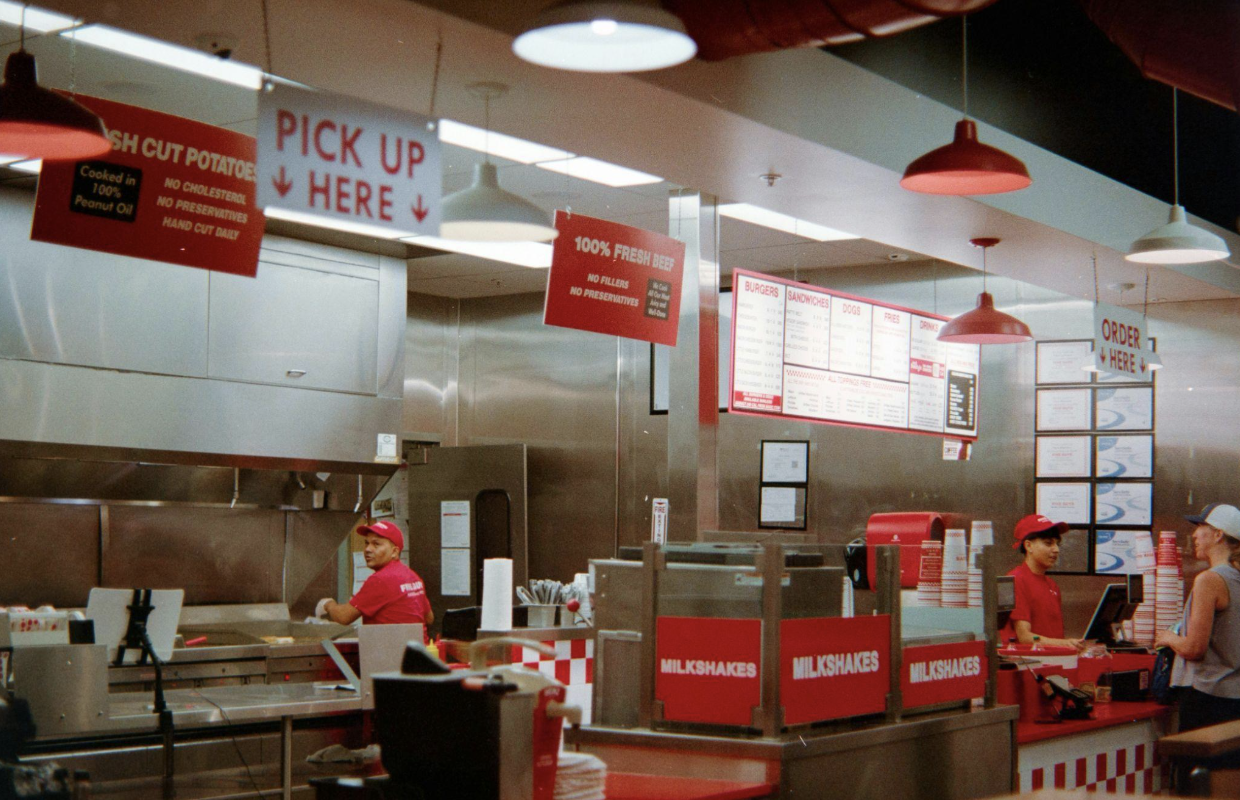
Fast food restaurants often experience significant changes in customer traffic throughout the day. Breakfast, lunch, dinner, and late-night service may require different staffing levels depending on the location and customer habits.
Scheduling too few employees can create long waiting times and additional pressure on the team. Excessive staffing, meanwhile, can increase labor expenses without providing corresponding operational benefits.
Managers can improve scheduling by reviewing transaction records and identifying recurring demand patterns. Special events, school holidays, and local activities may also influence customer volumes.
Cross-training employees provides additional flexibility. Team members who understand several responsibilities can assist where demand is highest while maintaining appropriate food safety and service procedures.
Reasonable breaks and clear communication are equally important. Employees who understand their assignments and receive dependable support are better prepared to manage demanding shifts.
Efficient Kitchen Layouts Help Reduce Service Delays
The arrangement of a fast food kitchen can influence how quickly employees complete their responsibilities. Poorly positioned equipment, crowded preparation areas, and unnecessary movement can slow down service.
A practical kitchen layout follows the sequence of work, from ingredient storage and preparation to cooking, assembly, and order collection. Frequently used supplies should remain accessible without obstructing movement.
Separate areas for different activities can also support food safety by reducing inappropriate contact between raw ingredients and ready-to-eat products. Suitable handwashing facilities and clearly organized workstations remain essential.
Restaurants introducing new menu items should consider whether existing equipment and preparation areas can accommodate them efficiently. A popular product may create operational difficulties if its preparation interrupts established workflows.
Regularly observing kitchen operations during busy periods can help managers identify opportunities to improve movement, organization, and communication.
Customer Service Extends Beyond Fast Order Taking
Speed is central to fast food, but customers also value accuracy, courtesy, and straightforward communication. A friendly greeting and a clearly explained ordering process can improve the dining experience without significantly extending service time.
Employees should be familiar with menu items, available modifications, and common customer questions. This knowledge allows them to provide helpful answers while keeping queues moving.
Order accuracy deserves particular attention because mistakes create additional work and frustration. Clear confirmation procedures and organized packaging can reduce the likelihood of incorrect meals reaching customers.
When problems occur, staff should respond respectfully and focus on practical solutions. Customers often remember how a business handled an issue as clearly as the problem itself.
Consistent customer service helps restaurants build relationships that extend beyond convenience and encourages visitors to choose the same location again.
Technology Can Improve Speed and Coordination
Technology has become an important part of fast food operations, particularly as restaurants manage orders through counters, drive-through lanes, websites, and delivery applications.
Modern point-of-sale systems can help employees process transactions, organize orders, and monitor sales activity. Kitchen display systems provide additional support by presenting order information clearly to preparation teams.
Self-service kiosks and mobile ordering may offer convenience for customers who prefer digital interactions. However, businesses should ensure that these systems remain accessible and easy to use.
Technology also supports management responsibilities through scheduling software, inventory tracking, and performance reporting. These tools can provide useful information about recurring delays and operational expenses.
The most effective investments solve recognizable problems rather than adding complexity. Employee training and reliable technical support remain essential for successful implementation.
Printable Recipe Card
Want just the essential recipe details without scrolling through the article? Get our printable recipe card with just the ingredients and instructions.

Olivia is a food enthusiast who loves creating simple, delicious recipes for everyday cooking. She shares easy meal ideas, comforting dishes, and kitchen tips to help home cooks enjoy flavorful meals with confidence.